
Preparing a Property for Photography in Singapore and Johor Bahru: A Room-by-Room Checklist
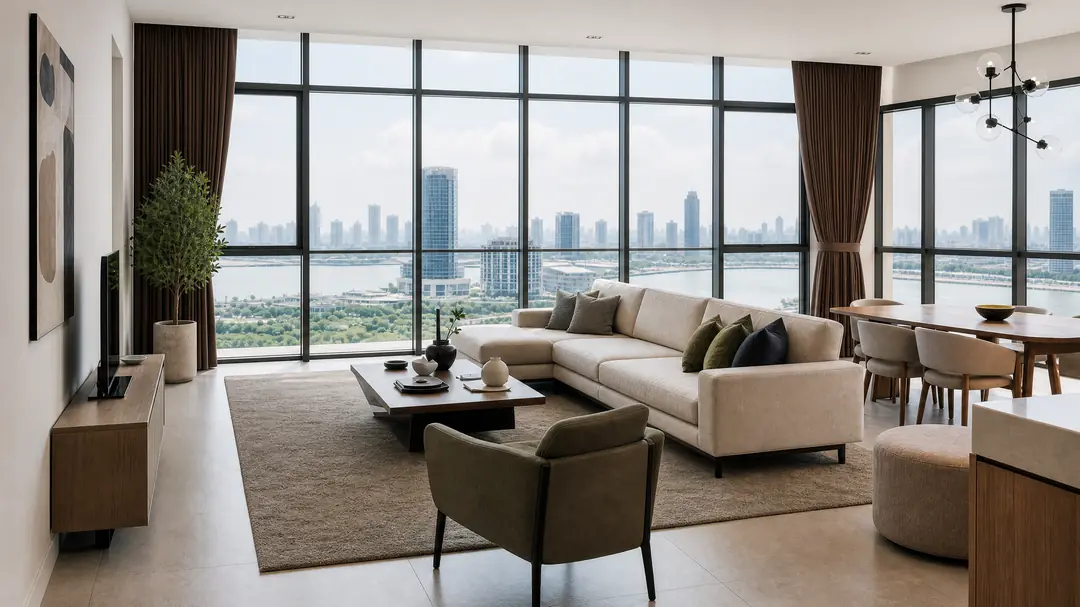
Photography is often the first viewing a buyer has of a property. Before a listing is opened, a prospective buyer has already formed an impression of scale, light, flow and care. The aim of preparation is not to make a home look artificial. It is to remove the distractions that stop a viewer from understanding the space.
For agents, developers and owners in Singapore or Johor Bahru, a calm pre-shoot plan also makes the session more efficient. The photographer can spend more time on the angles that explain the property and less time moving temporary items out of frame. A short reset, completed before the camera arrives, can make the final gallery more coherent across listing portals, brochures, agent websites and social placements.
Start with the listing story
Before tidying room by room, decide what the listing needs to communicate. A compact city apartment may need to show intelligent storage, natural light and clear circulation. A family home may need to establish the kitchen, outdoor space and bedroom arrangement. A renovated property may need to make materials and craftsmanship visible. Those priorities determine the image sequence.
Share the key selling points before the shoot: a view, a balcony, a recently completed renovation, a flexible work area, a generous kitchen or a particular room relationship. This does not require a long brief. A concise list gives the session a purpose and ensures the final set supports the actual sales conversation.
Reset the entry, living area and sightlines
The first images often establish the tone of a listing. Clear the entry of loose shoes, delivery parcels, umbrellas and temporary storage. In the living area, remove stacks of magazines, unused cables, exercise equipment and personal items that pull attention away from the room.
Then look at the major sightlines. Stand at the doorway and ask what a viewer sees first. A clear line from the living room to a window, balcony or dining space helps a photograph describe how the home works. Large furniture does not need to disappear, but it should be positioned so the room’s circulation remains legible.
Simplify the kitchen and bathrooms
Kitchens are often important decision-making spaces, but they quickly collect visual noise. Put away cleaning products, dish racks, small appliances, food packaging and miscellaneous items on the worktop. Leave a small number of considered objects only if they support the intended feeling of the home.
In bathrooms, clear the basin, close toilet lids, hide cleaning tools and remove personal toiletries. Fresh towels and a clean mirror are usually more useful than decorative styling. The goal is a clear, believable record of the room, not a set that feels disconnected from the property.
Prepare bedrooms for rest, not storage
Make beds neatly, remove clothing from chairs and keep bedside surfaces simple. If a bedroom is being used as a work or storage space, decide whether the listing should show that honestly or whether the room needs a temporary reset to reveal its intended function. In either case, avoid trying to force a room into a story it cannot support.
Wardrobes, storage rooms and utility spaces should be photographed only when they genuinely add value. If storage is a selling point, make it readable. If it is ordinary, focus the image plan on the spaces that carry more weight in the listing.
Treat light as part of the appointment
Open blinds and curtains before the photographer arrives, but consider privacy and the quality of the view. Replace failed bulbs in rooms that will need practical light. Let the photographer know about difficult rooms, strong afternoon sun, reflective surfaces or an exterior view that matters to the sale.
For a balcony, terrace, exterior or skyline view, timing can make a material difference. A quick conversation about the property’s best light is often more valuable than trying to fix a poorly timed image later. Good property photography respects what is already there and uses light to make the layout understandable.
Plan beyond the listing portal
A property gallery can serve several places at once. Ask in advance if the agent needs vertical images for social platforms, a wide banner crop for a website, detail frames for a brochure, or exterior images for a campaign. When those uses are known before the shoot, the photographer can protect the necessary framing while making the core listing sequence work first.
The strongest property images are not the most exaggerated. They are the ones that allow a buyer to understand the room, imagine being there and decide that the property is worth seeing in person.